
Contact us
General inquiries: [email protected]
Wyman Park Building, Suite 350
3100 Wyman Park Drive
Baltimore, MD 21211
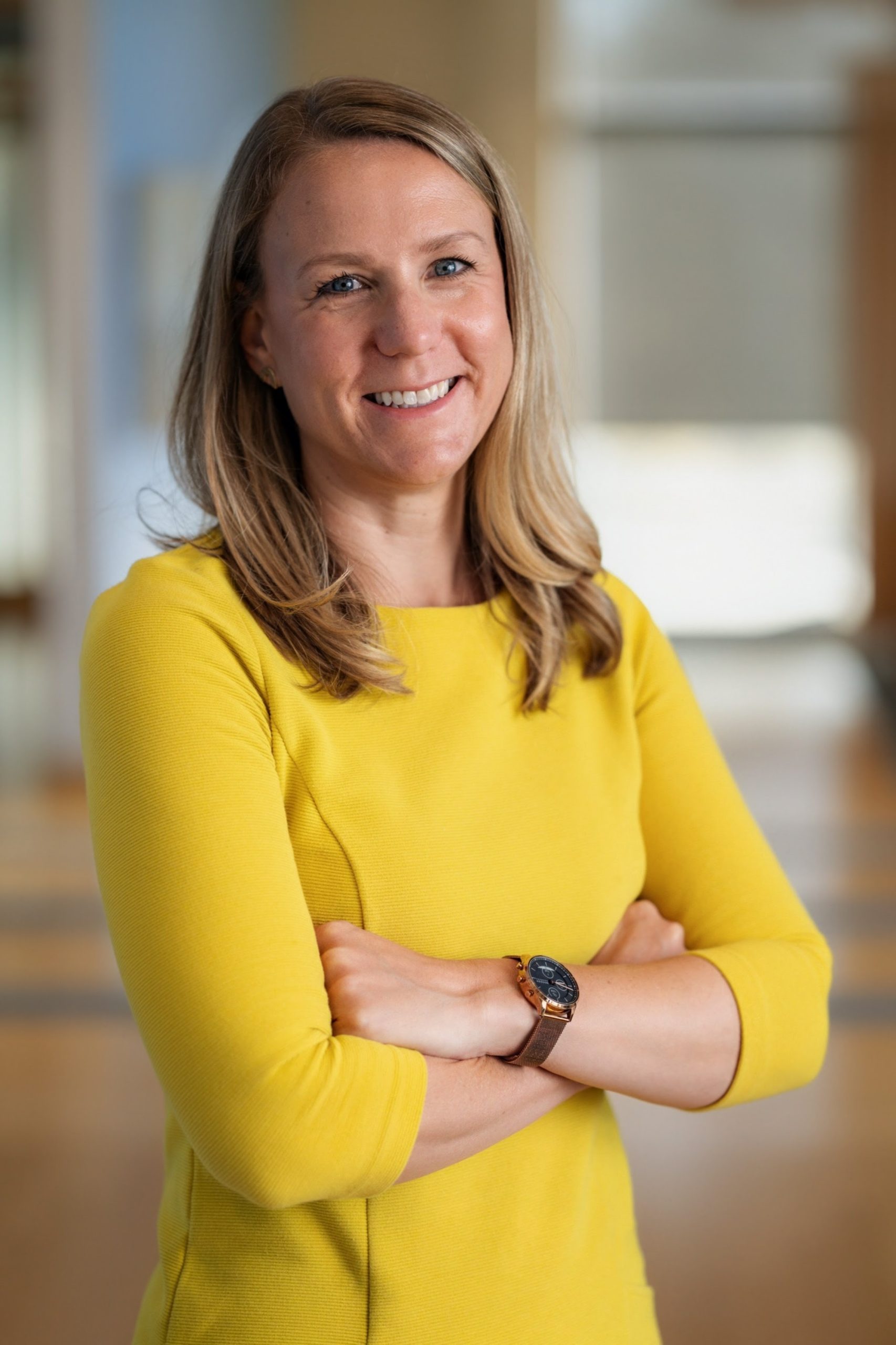
Jennifer Wester, PhD
Director
Wyman 356
Dr. Jennifer Wester (she/her) is the Director of the Office of Undergraduate Research, Scholarly, and Creative Activity (URSCA), and an Associate Research Scholar in the Department of the History of Art. Appointed in 2023, Dr. Wester manages the awarding of undergraduate research grants and leads our research fellowship programs; chairs the annual Macksey Symposium; oversees the implementation of summer research programs for visiting undergraduates; and serves as Executive Secretary of the JHU chapter of Phi Beta Kappa. A member of the KSAS Undergraduate Education Leadership Team, she works to align research programs with curricular objectives and oversees assessment of co-curricular research activities. Dr. Wester holds a Ph.D. in the History of Art from Johns Hopkins University, and a B.A., summa cum laude, in the History of Art and French from Middlebury College. Prior to joining URSCA, she was Associate Professor of Art History at Notre Dame of Maryland University, where she also served as the director of campus art galleries.
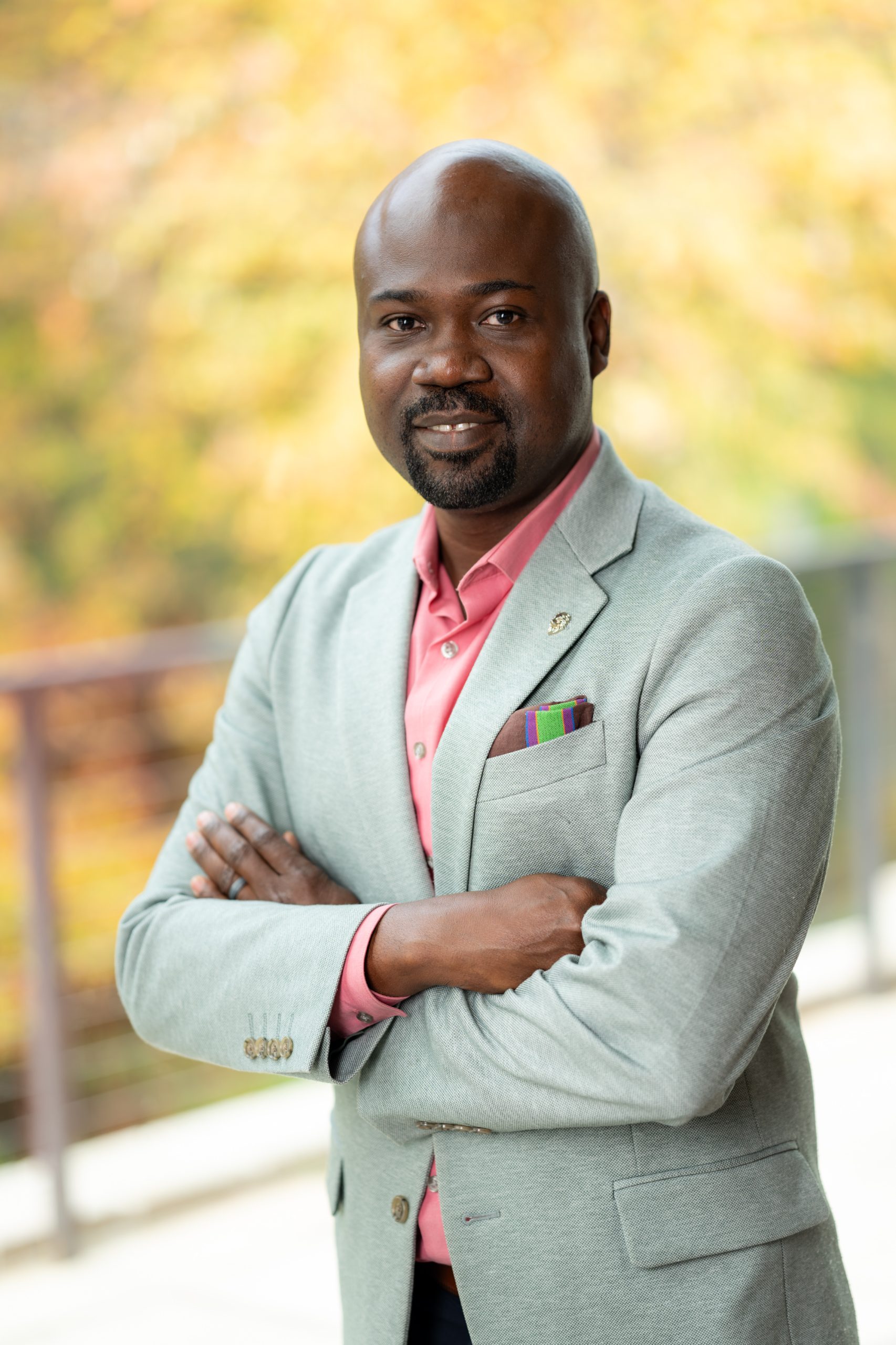
Abdul-Hakeem Imoro, Ed.D.
Assistant Director
Wyman 359 A
Dr. Abdul-Hakeem Imoro (he/him) is the Assistant Director of the Office of Undergraduate Research, Scholarly, and Creative Activity (URSCA). In addition to mentoring undergraduates and supporting their development as researchers, he specializes in assessing our programs and services. Dr. Imoro holds an Ed.D. in Higher Education Administration and Policy from Widener University, an M.S. in Public Policy from Drexel University, and a B.A. in Communication Studies from Kean University. An expert in education policy, data analysis, and advocacy, he has spent many years as a researcher and analyst in a variety of contexts — from higher education to private firms to government agencies — always with a personal commitment to equity and inclusion.

Valentina Arecy
Program Specialist
Wyman 359 B
Valentina Arecy (she/her) is the Program Specialist responsible for the planning and execution of our undergraduate research programs and initiatives; the management of our finances; and the coordination of our events. With a background in program management across the higher education, nonprofit, and tech sectors, Ms. Arecy has a wealth of experience both launching new programs and improving operational efficiencies in existing ones. Throughout her career, she has also maintained a firm commitment to student support and mentorship, and has served as an advisor to first-generation college students. Ms. Arecy holds an M.S. in Global Studies and International Relations with a concentration in Global Student Mobility from Northeastern University, and a B.S. in Business Management from Bridgewater State University.
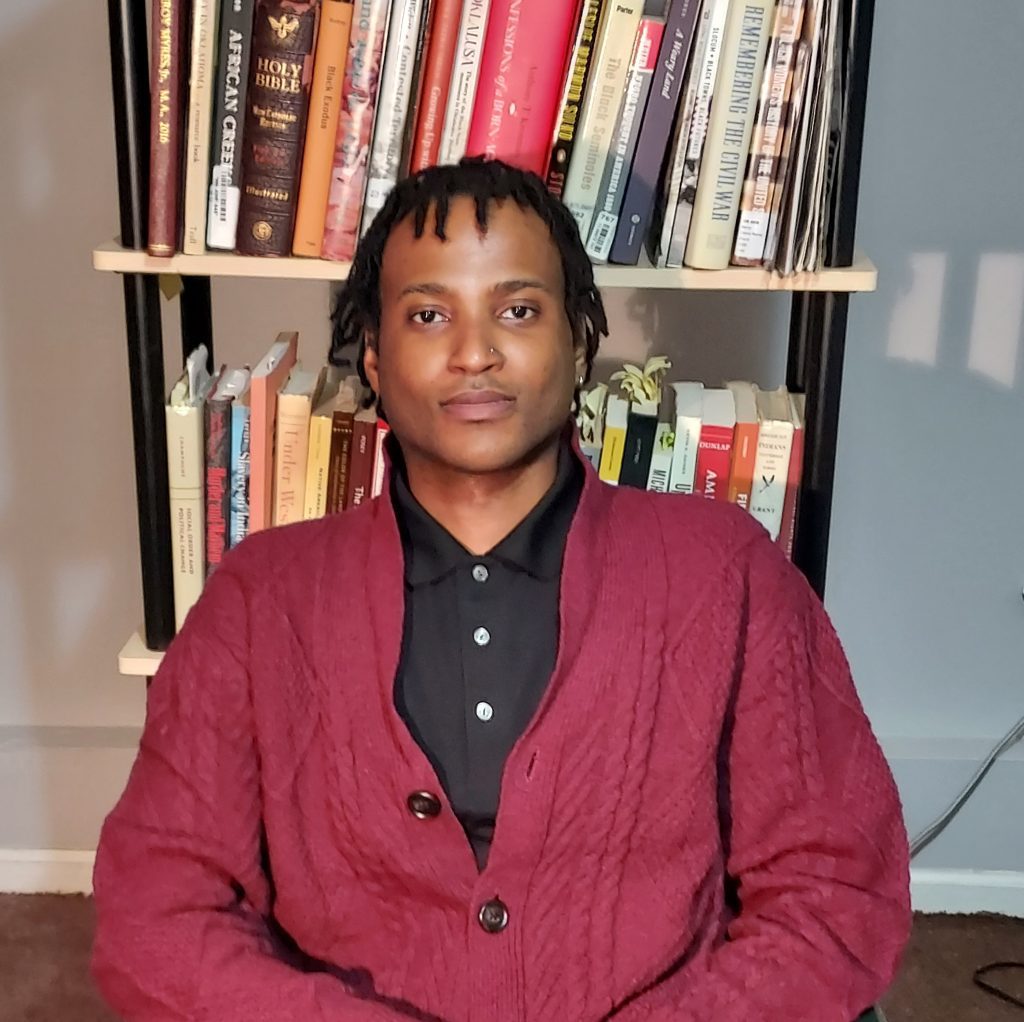
Leroy Myers, Ph.D.
Mellon Postdoctoral Fellow
Wyman 357
Dr. Leroy Myers (he/him) joined the URSCA office in May 2024 as the Mellon Postdoctoral Fellow in Research Administration and Student Mentorship. In this role, Dr. Myers leads our community college programming and partnerships and serves as a research mentor for both visiting students and Johns Hopkins undergraduates. In addition, he serves as managing editor of the Macksey Journal. A committed scholar of public history, Dr. Myers holds an M.A. and Ph.D. in History from the University of Oklahoma and a B.A. in History from the University of Maryland, Eastern Shore.
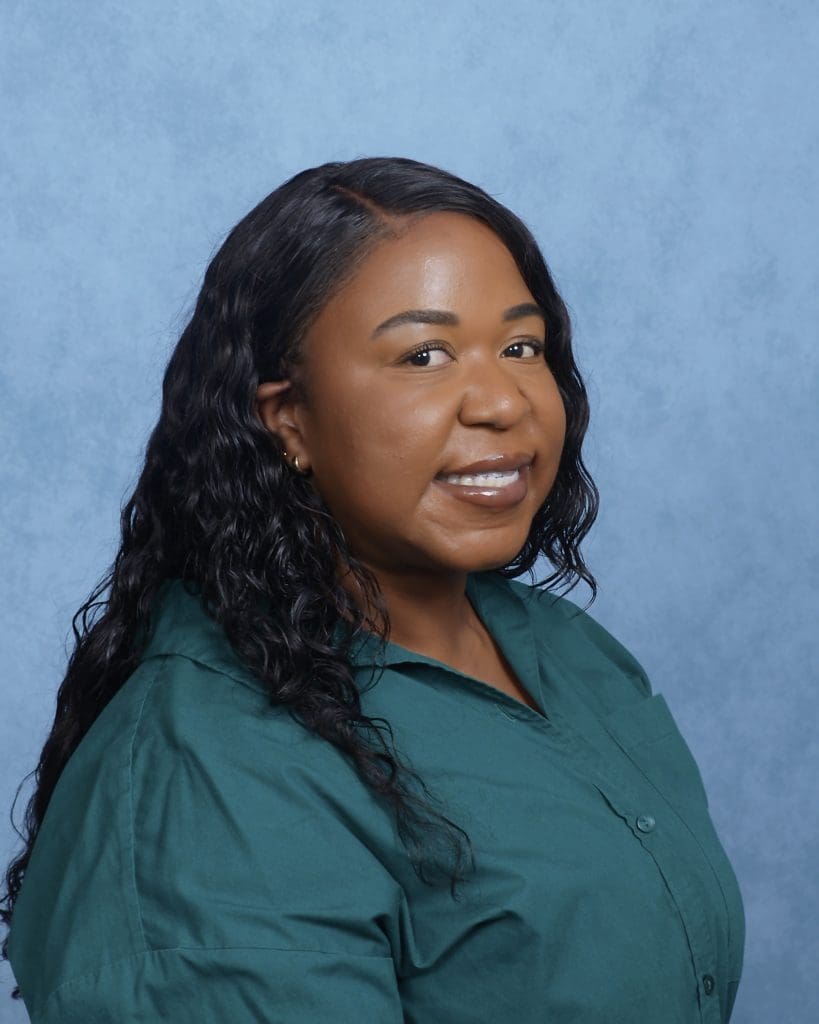
Shalima Wellington
Graduate Assistant
Wyman 358
Shalima Wellington is a PhD candidate in the English Department at Johns Hopkins University. Her research focuses on 20th-century African American and Afro-Caribbean immigrant literature. As URSCA’s graduate assistant, she develops resources for undergraduate researchers, reviews submissions for the Macksey Symposium, offers feedback on student work, and provides general administrative support in the office. Prior to coming to Hopkins, she taught in the SEEK program at the City University of New York. She holds a B.A. in English and Spanish from Agnes Scott College and an M.A. in English Literature from Fordham University.
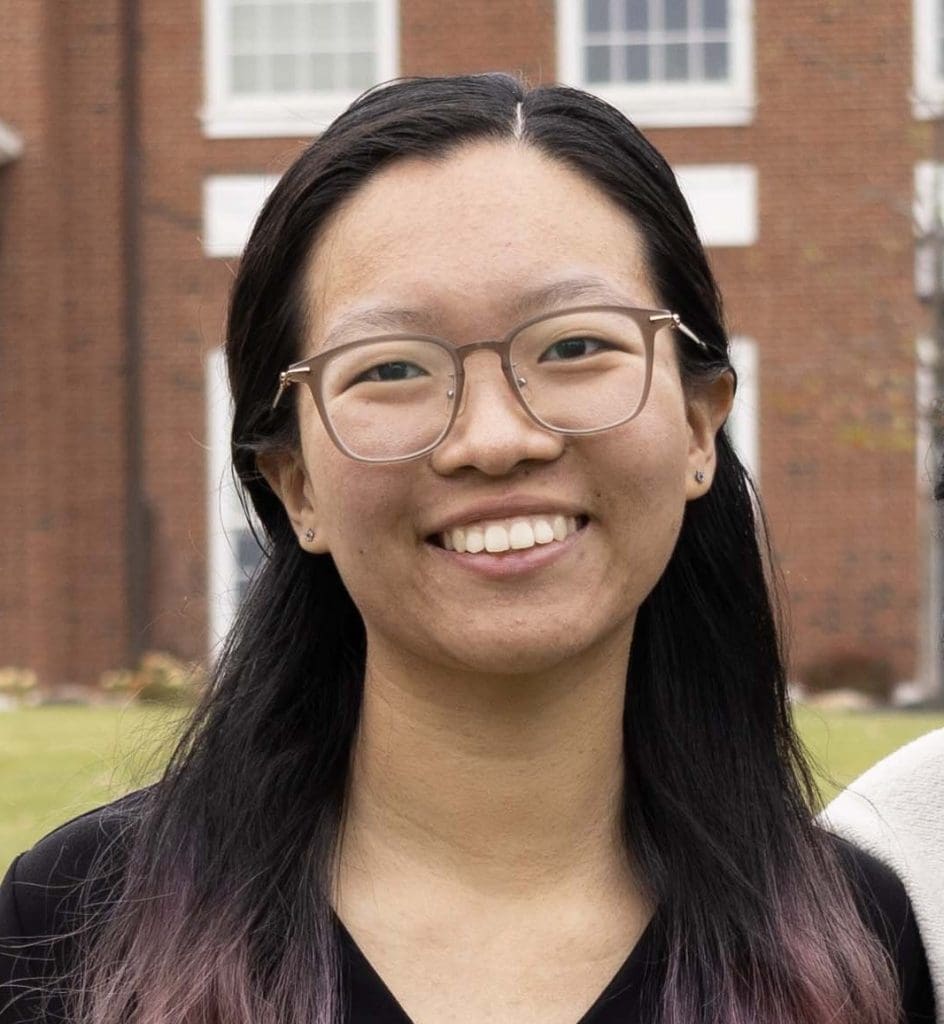
Karen Dong
Undergraduate Assistant
Wyman 358
Karen Dong is a junior at Johns Hopkins University majoring in Classics, English, and Writing Seminars. She joined the URSCA office in November 2025 to fulfill a variety of administrative duties and to serve on the editorial board of the Macksey Journal, our national undergraduate humanities research journal. At Hopkins, Karen also serves as the publicity manager for Witness Theater and for the a cappella group Adoremus. She formerly worked in the Library and Archives at the Baltimore Museum of Art, digitizing consignment records from the Women’s Committee Sales and Rental Gallery.
Meet our Undergraduate Research Ambassadors
URSCA’s Undergraduate Research Ambassadors are a select team of past and current recipients of URSCA grants and fellowships who have been trained to provide mentorship, guidance, and support to their peers at every stage of the research journey. Undergraduate Research Ambassadors hold regular office hours; organize workshops, conversations, and panel discussions; and represent URSCA at various campus events.
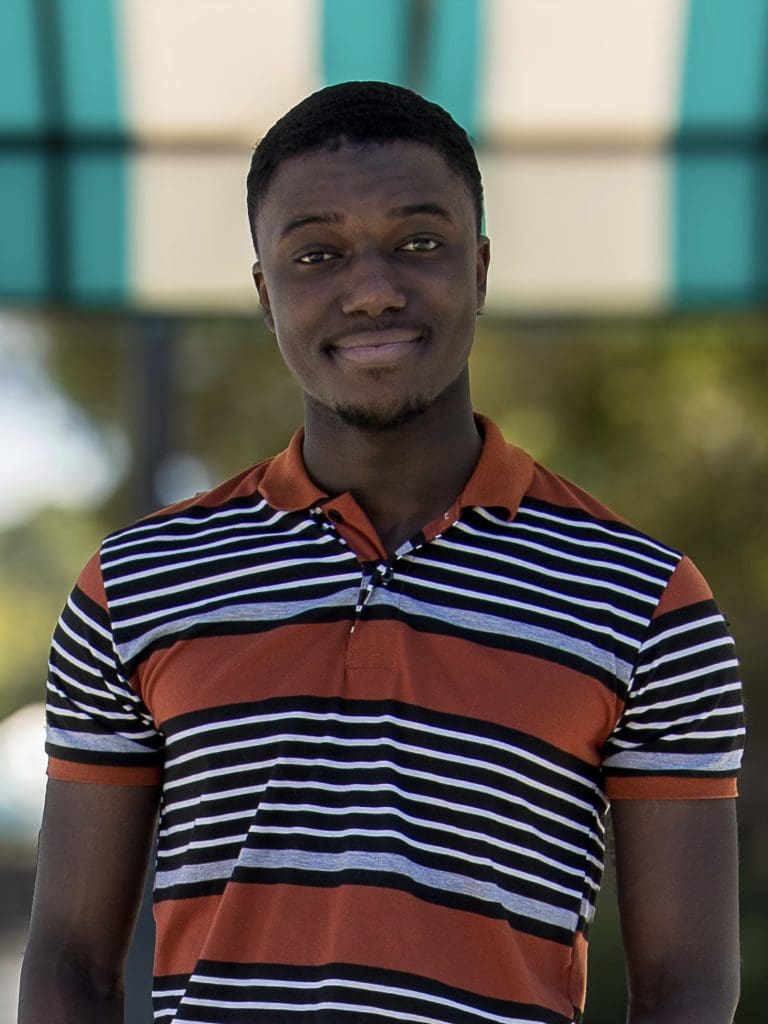
Mamadou Thiam ’27
Natural Sciences
Returning for his second year as a Research Ambassador, Mamadou Thiam is a senior University Undergraduate Research Fellow majoring in Molecular and Cellular Biology. His UURF project examines the reason that nerve regeneration fails once we remove particular energy transporters in Schwann cells. To do this, he uses many techniques related to cell cultures, behavior tests, and mouse surgeries. He has presented this research at both national and international conferences. Mamadou has also contributed to several other investigations in his lab at the School of Medicine, mostly pertaining to nerve regeneration and degeneration, monocarboxylate-ablated macrophage mouse models, and diabetic mouse models. In addition, he is involved in global health research, examining emergency medical systems in West Africa with a focus on community-level education and reducing EMS response times.

Anika Kale ’27
Social Sciences
Anika Kale, a junior Public Health Studies major, is also entering her second year as a Research Ambassador. She has been the recipient of both a Dean’s ASPIRE Grant (2025-26) and a Summer PURA (2026), for the pursuit of two related projects looking to reduce blindness in rural India. For her ASPIRE project, she conducted fieldwork in Maharashtra, India, to investigate why patients continue to refuse free cataract surgery even when it is brought to their door through Mobile Ophthalmic Units. Her PURA project aims to translate the qualitative findings from her ASPIRE research into a culturally grounded health communication strategy that uses Powada, a traditional Maharashtrian storytelling and folk art form, to improve trust, health literacy, and acceptance of cataract surgery. In addition to her independent research, Anika has worked in three different labs at JHU and beyond, and has research experience in regenerative medicine, evolutionary biology, and developmental biology. She has also presented research at national and regional conferences.
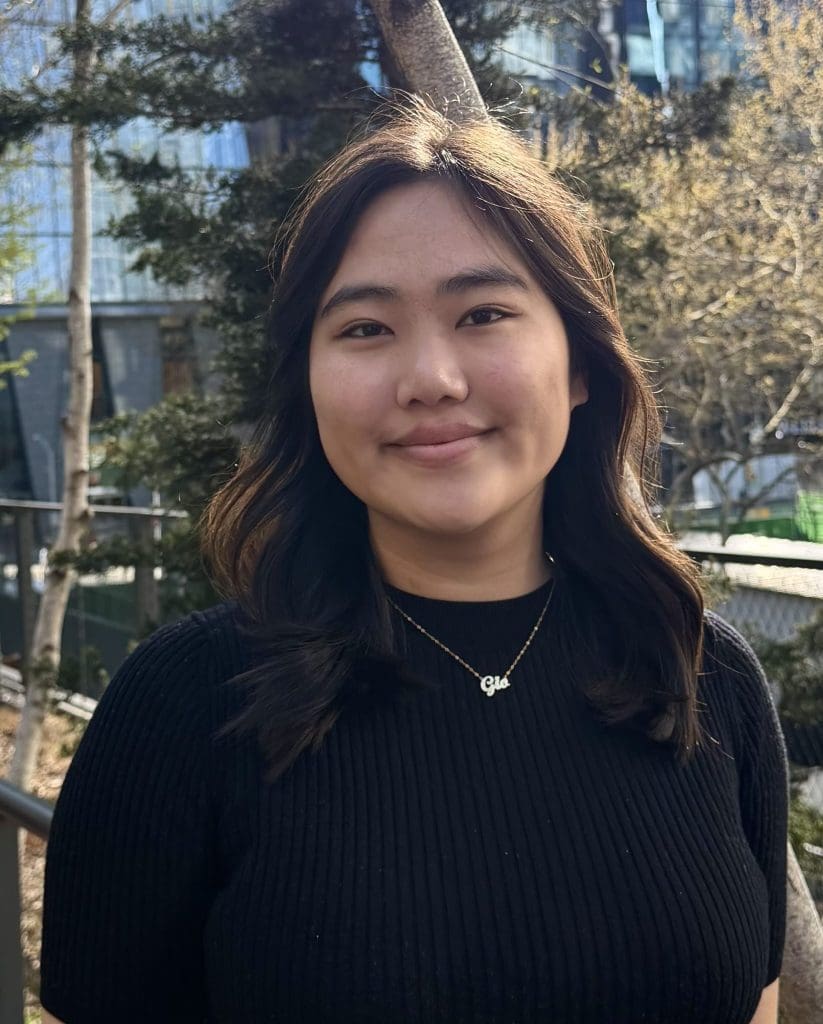
Gio Kim ’28
Natural Sciences
Gio Kim, a junior majoring in Medicine, Science, and the Humanities, is returning for her second year as a Research Ambassador. Gio is a University Undergraduate Research Fellow and is working on a three-year project that aims to uncover the genetic mechanisms underlying poor sleep in neurodegenerative diseases using a forward genetic screen in Drosophila. Since the fall of her first year at Hopkins, she has been working in the Mark Wu Lab in the Department of Neurology at the Johns Hopkins School of Medicine, where she began her studies of the bidirectional relationship between sleep and neurodegeneration that informed her UURF proposal. She currently works with Dr. Mehmet Keles to continue studying potential genetic modifiers of tau-induced neurotoxicity. She previously worked as a research assistant in a stem cell biology and regenerative medicine lab at the University of Southern California, where she investigated the requirement of atoh1a enhancers for zebrafish inner ear hair cell regeneration using CRISPR/Cas9 genome editing, and she presented her findings at the USC Summer Research Symposium.
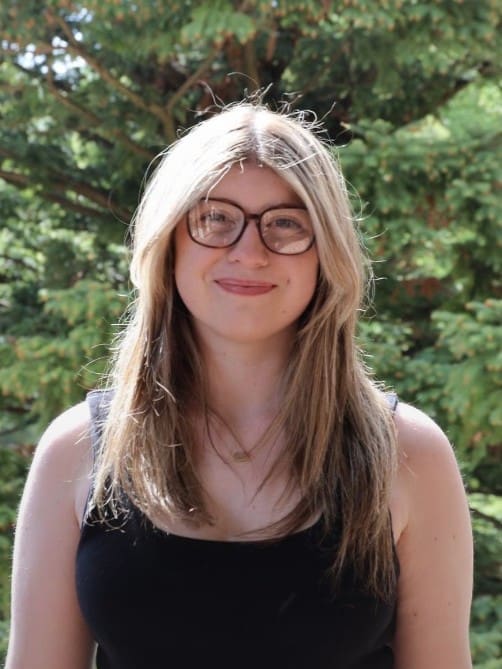
Alessia Iannuzzi ’27
Public Health
New to the Research Ambassador team in 2026, Alessia Iannuzzi is a Molecular & Cellular Biology major and a University Undergraduate Research Fellow. She has been working in the Johnston Lab in KSAS since September of her first year, and for her UURF project, has been studying the role of MEIS2 in regulating cell fate decisions in retinal organoids. Through this work, she has gained experience in human stem cell culture, immunohistochemistry, and cellular birth-dating techniques to investigate mechanisms of retinal development.

Imad Ahmed ’28
Natural Sciences
Imad Ahmed is a junior University Undergraduate Research Fellow majoring in Public Health Studies. His research aims to understand the potential role of irisin in inhibiting the progression of Parkinson’s Disease. Over the past few years, he has also worked in both a neuroimmunology lab and a neuroscience lab at the University of Texas Southwestern Medical School. Imad is new to the Research Ambassador team in 2026, but has already been providing peer research support informally, including helping students navigate the grant application process.
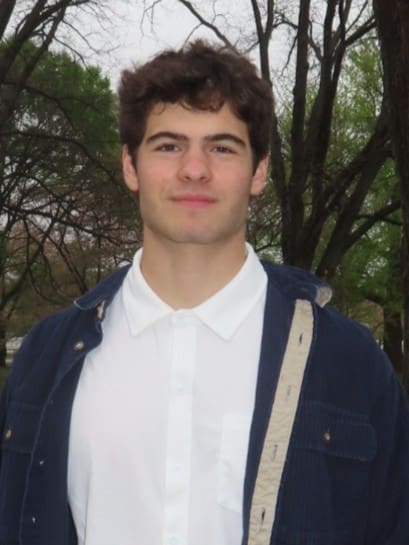
Bryce Leiberman ’29
Humanities and Social Sciences
Bryce Leiberman is a sophomore majoring in Political Science with a minor in Philosophy. He is in his first year as a University Undergraduate Research Fellow, and as an Undergraduate Research Ambassador. Bryce’s UURF project looks at gender polarization in young adult white men, within the context of the “manosphere’s” influence. His research entails qualitative interviewing as well as coding and aims to develop core explanations for gender polarization and identify potential pathways to reducing division. In addition to his UURF project, he has worked in the SNF Agora Institute’s Democracy and Division Lab helping to study the effects of media exposure on political polarization.