
Living in Baltimore
Baltimore is a city of neighborhoods, with a rich, complex history and a lot of heart. It’s the home of the “Star-Spangled Banner,” but it’s also the home of the Ouiji Board, the first Black trade union, the first American museum building, and the nation’s first research university: Johns Hopkins. The Krieger School of Arts and Sciences has been a part of this history since 1876.
Today, Baltimore is a midsize city with almost 600,000 people, 10 universities, 50 museums, 500 places of worship of many denominations, and 4,000 acres of parkland and public space. Baltimore City shapes the Krieger School’s work and research, and we’re glad to be a part of this community.

Homewood Campus
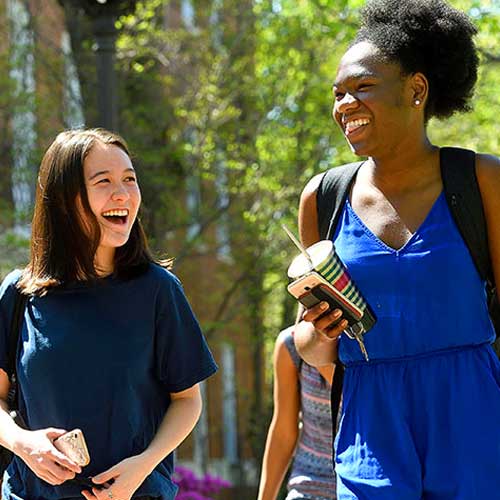
The Krieger School is primarily located on Johns Hopkins’ Homewood campus in Charles Village. This lush 140-acre campus includes our academic buildings, labs, and two libraries. It also includes new hubs like Bloomberg Student Center, O’Connor Center for Recreation and Well-being, the SNF Agora Institute, and the Data Science and AI Institute.
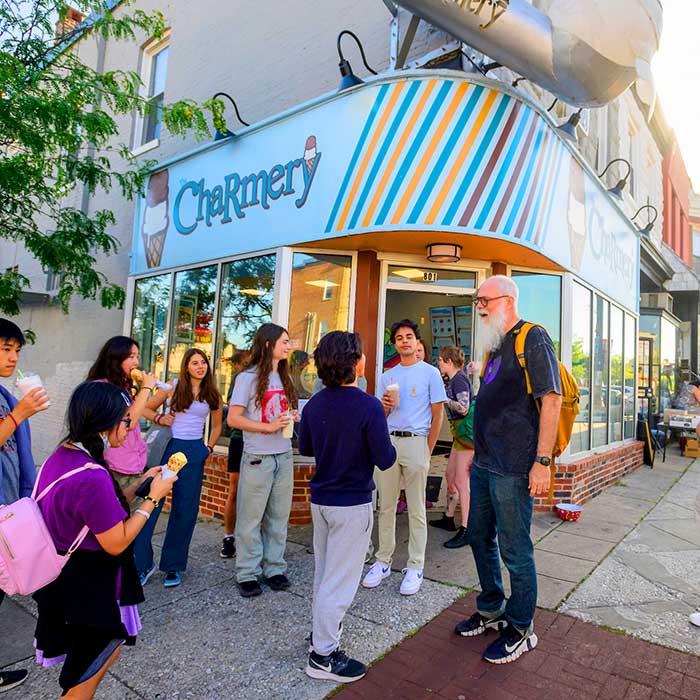
Charles Village is rated as a top walkable and bikeable neighborhood. From campus, it takes less than 10 minutes to walk to bustling food hall R House, The Baltimore Museum of Art, the Waverly farmers market, and many other amenities. The Krieger School frequently hosts events in the area and collaborates with local businesses.
Some faculty and students may also work on the nearby East Baltimore medical and public health campus, or travel to our Bloomberg Center in Washington, D.C., steps from Union Station and Capitol Hill.



Neighborhoods
A diverse city with many cultural pockets
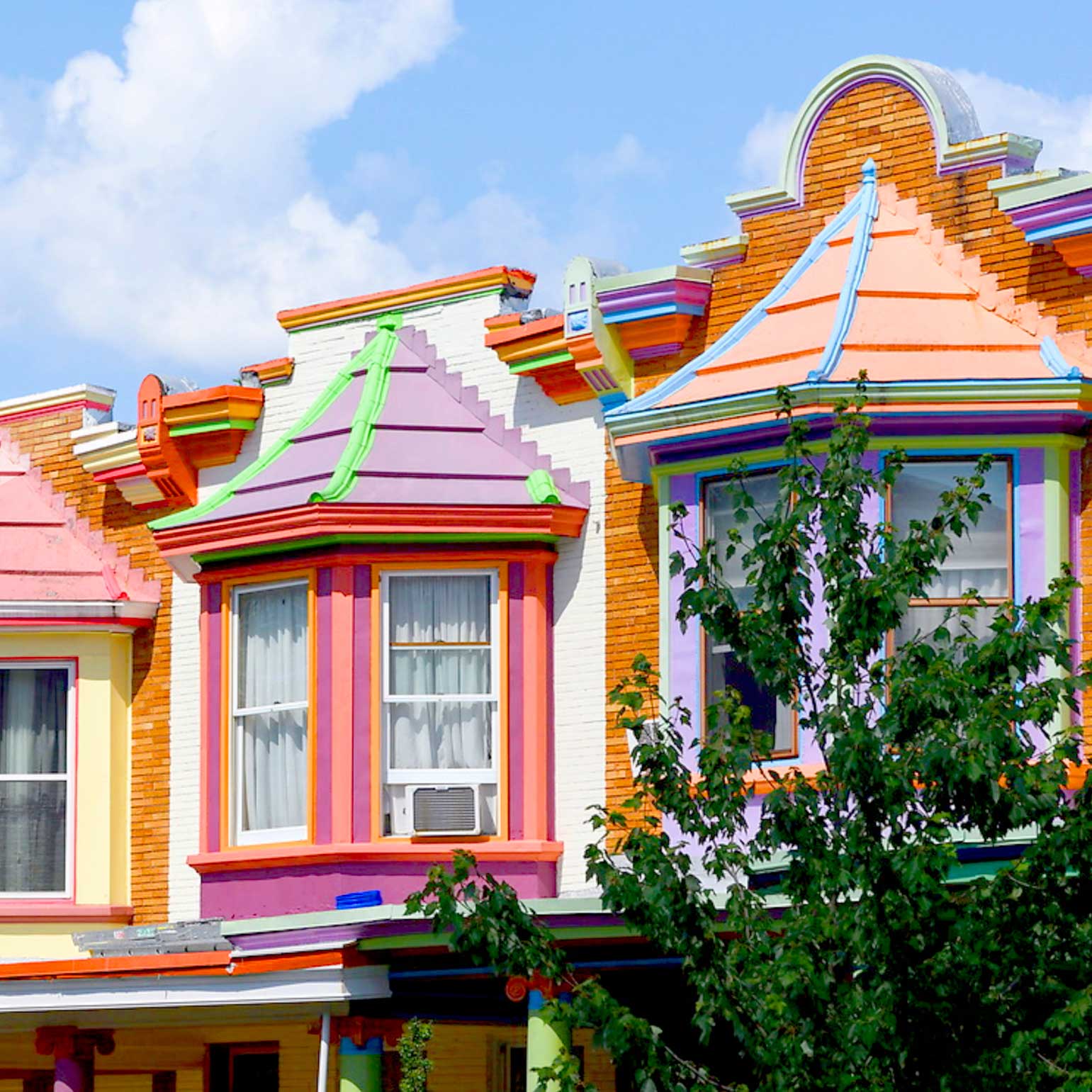
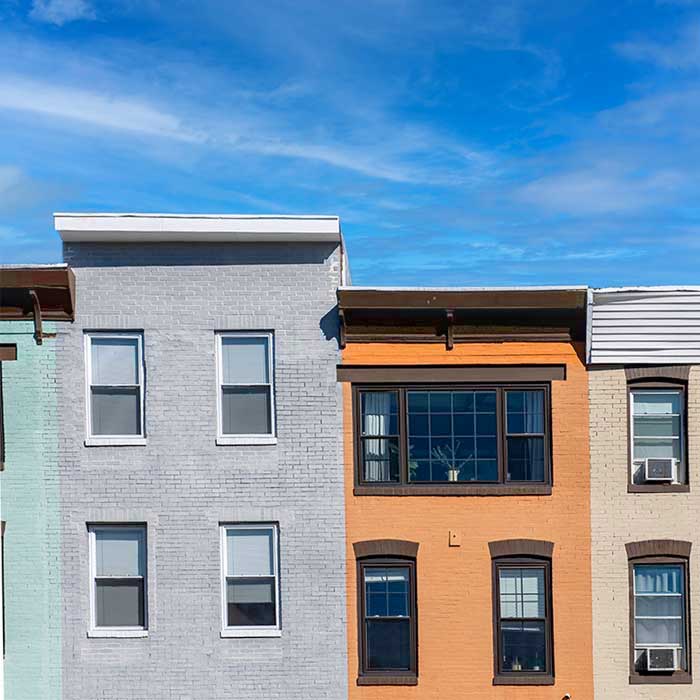
Baltimore has more than 250 neighborhoods, many with their own culture, events, and community. Most undergraduate students live on or near campus, and graduate students often live in Charles Village, Hampden, or Remington. Use LiveBaltimore to search and sort all Baltimore neighborhoods and see which ones might be a match for you. Baltimore is nestled among Anne Arundel, Baltimore, Harford, and Howard counties. Using the MARC train, light rail, or driving, you can live outside the city and be at the Homewood campus in 45 minutes.
If you’re considering buying a house in Baltimore, the Johns Hopkins Live Near Your Work program offers grants of up to $17,000 toward a down payment and closing costs in designated city neighborhoods.
Families
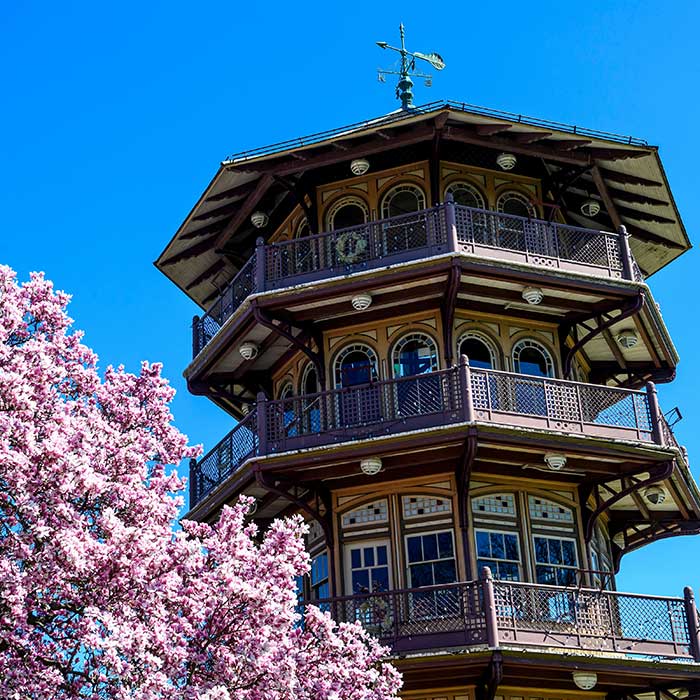
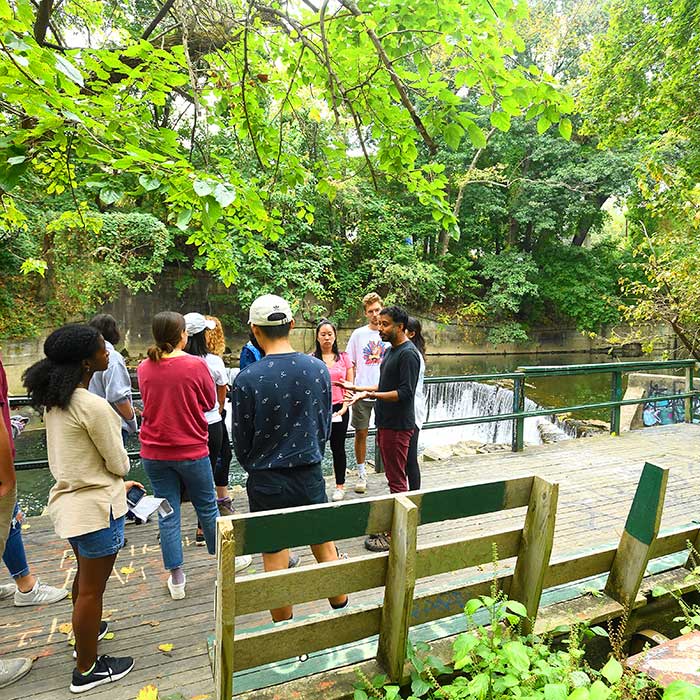
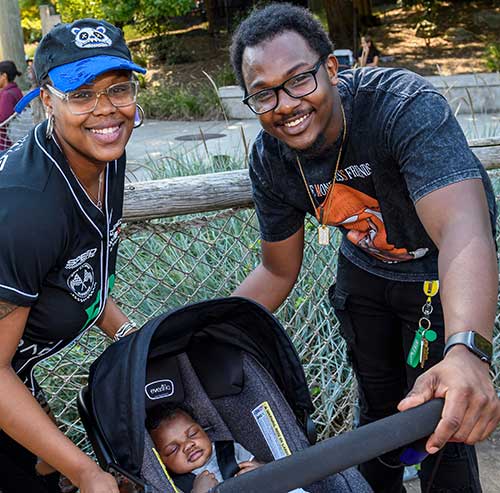
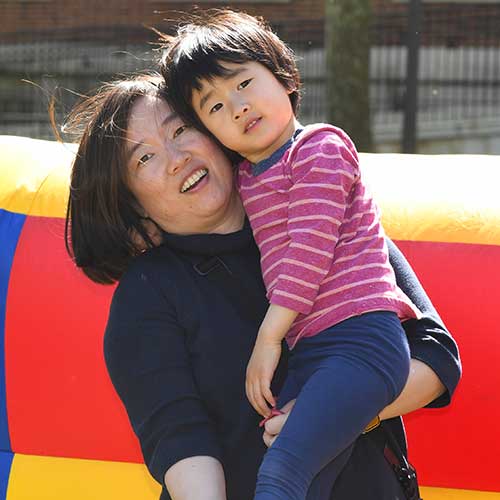
Baltimore and the surrounding counties offer a variety of public schools, public charter schools, private schools, and many opportunities for learning and fun as a family. Take a day at the National Aquarium, Irvine Nature Center, Cylburn Arboretum, or the Maryland Zoo. Public facilities also include the award-winning Enoch Pratt Free Library, Druid Hill and Patterson parks, free museums with family drop-in events, and several major free arts and music festivals. Check out more fun for kids in Baltimore.
Johns Hopkins University also offers support for working parents, including parental leave and assistance with finding childcare, eldercare, and other resources. There are four local childcare centers that partner with Johns Hopkins. Tuition assistance may be available depending on your income and employment level.


Culture and Fun
From western mountain towns with historical hikes to Eastern Shore beaches, and all the ice cream shops, free museums, and events in between.
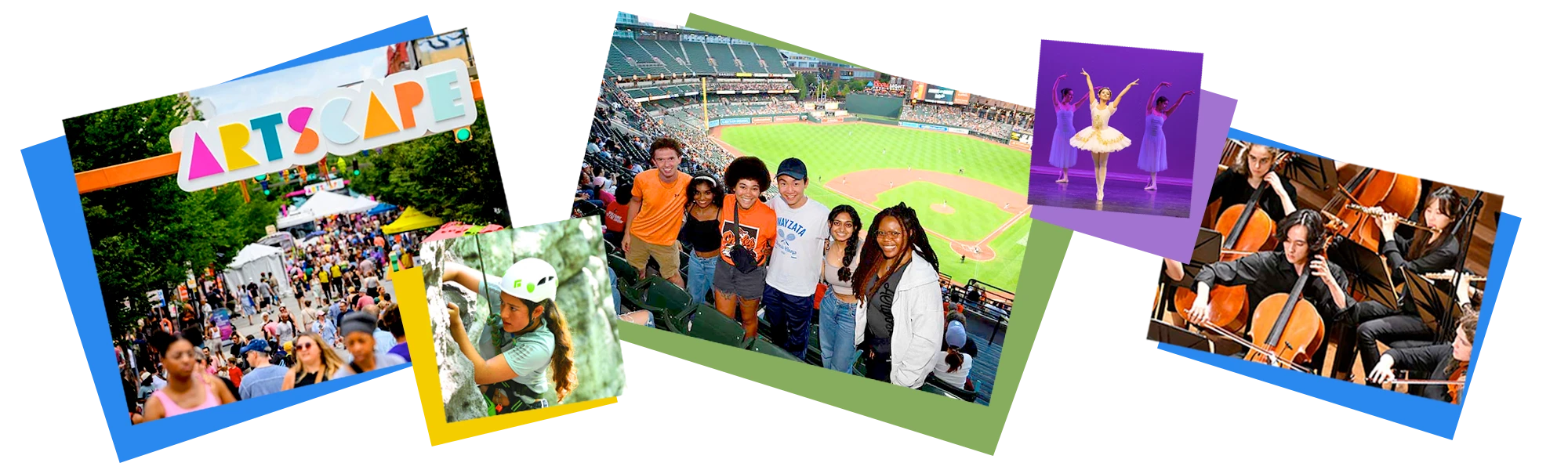
- Festivals: Baltimore hosts several free, multi-day festivals every year, including Artscape, AFRAM, Charm City Live, One Carnival, Flower Mart, the Maryland Film Festival, and Baltimore Book Festival.
- Sports: The Ravens and Orioles are both based in downtown Baltimore, and it’s a quick trip to a Washington Nationals, Wizards, Capitals, or Spirit game. Baltimore also has athletic traditions like Preakness, the City vs. Poly high school football game, and Morgan State homecoming.
- Museums and galleries: There are more than 80 museums and art galleries in the city—many of which are free. Washington, D.C., museums are also free, and easy to reach by train.
- Music: Baltimore has more than 40 music venues and upward of 10 music festivals where you can see everyone from Grammy-winning jazz musicians to indie punk bands.
- Libraries: Baltimore is home to many beautiful libraries with excellent archives, including our own Peabody Institute, the Enoch Pratt Free Libraries, the Evergreen Library, and the Baltimore City Archives.
- Food: Baltimore has more than 10 public and outdoor farmers markets and boasts everything from James Beard-winning French restaurants to historic waterside bars where you can pick your own crabs.
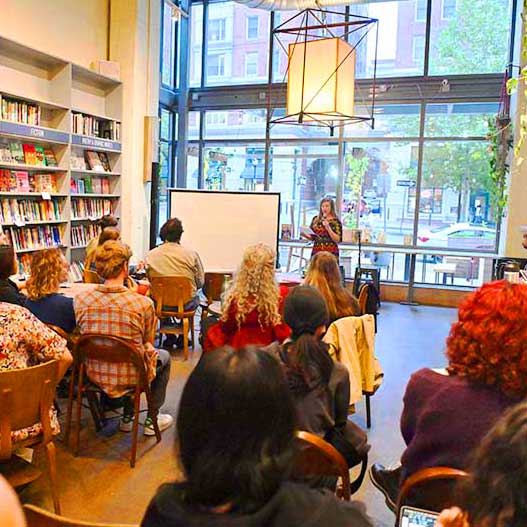
- Find your hobby: Baltimore has almost 20 independent bookshops, more than 15 theaters, two golf courses, and sailboat and kayak rentals, and is close to multiple state parks and hiking areas. There’s something here for everyone.

Location
Baltimore is centrally located with close access to three airports and an Amtrak train station. Within the city and surrounding counties, you can also take regional MARC trains, city and commuter buses, the Hopkins shuttle, and bike lanes and bike trails to get to Johns Hopkins campuses. Johns Hopkins also offers a commuter assistance program that offers pretax deductions to cover eligible commuter expenses.