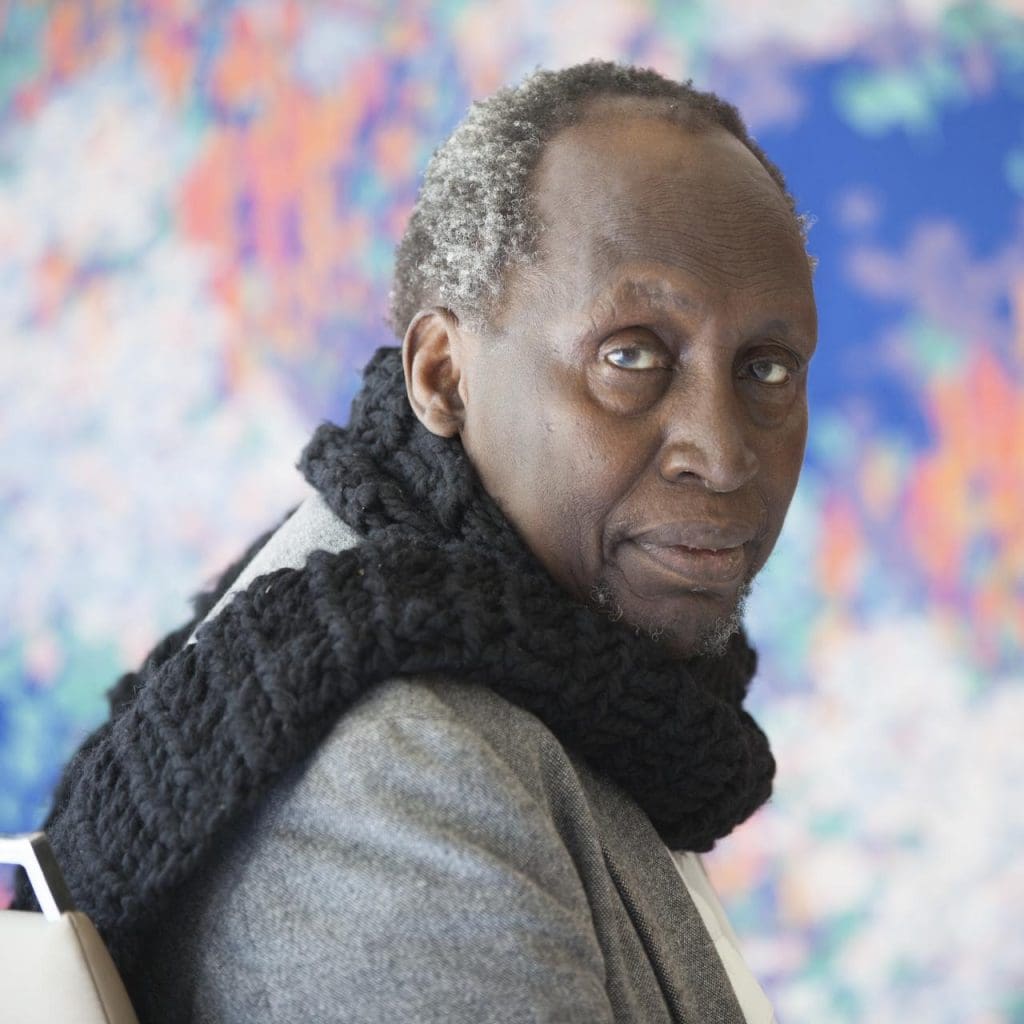
“Language as culture is … mediating between me and my own self; between my own self and other selves; between me and nature. Language is mediating my very being … it was almost as if, in choosing to write in Gikuyu, I was doing something abnormal. But Gikuyu is my mother tongue!” (Decolonising the Mind, 1986).
On Wednesday, May 28, 2025, Ngũgĩ wa Thiong’o, Kenya’s extraordinary literary and cultural voice, went to be with his ancestors. With his passing, Africa lost an indomitable and unwavering voice for her cultural, economic, and political liberation. Born in Limuru, Kenya, in 1938, Ngũgĩ won great acclaim for his early novels, Weep Not, Child (1964), The River Between (1965), A Grain of Wheat (1967), and Petals of Blood (1977), which were published as part of the Heinemann African Writers Series. In 1977, he made the political decision to stop writing in English and instead write in his mother tongue, Gĩkũyũ. He wrote his first Gĩkũyũ novel, Devil on the Cross (1982), while detained by the Kenyan government. Ngũgĩ’s decision to write in Gĩkũyũ, an act of cultural liberation and reclamation, reverberated and resonated throughout the global literary world, coming to define and cement him as a radical advocate for African languages and cultures as necessary paths to total liberation. In his seminal essay, Decolonising the Mind: The Politics of Language in African Literature, he asked, “What is the difference between a politician who says Africa cannot do without imperialism and the writer who says Africa cannot do without European languages?” (1986). Above all else, Ngũgĩ was a storyteller par excellence, and as a builder of worlds, he imagined for us the most poignant and impactful stories. He believed that a work of art was only complete after the engagement of an audience, and so our task now is to continue completing his art through our reading. This is a fitting and necessary tribute. For his indelible stories, his unceasing struggle for freedom, and his insistence that African cultures and languages are worthwhile, equal, and enough in a world that continually seeks to debase them, Ngũgĩ wa Thiong’o will be remembered forever. The Center for Africana Studies joins the millions of admirers in mourning the passing of this literary giant and great thinker.
Selected Obituaries: https://brittlepaper.com/2025/05/the-african-literary-community-mourns-ngugi-wa-thiongo-1938-2025/
A complete list of his work can be found here: here
Photo credit: Ngũgĩ wa Thiong’o in 2015. Leonardo Cendamo/Getty Images