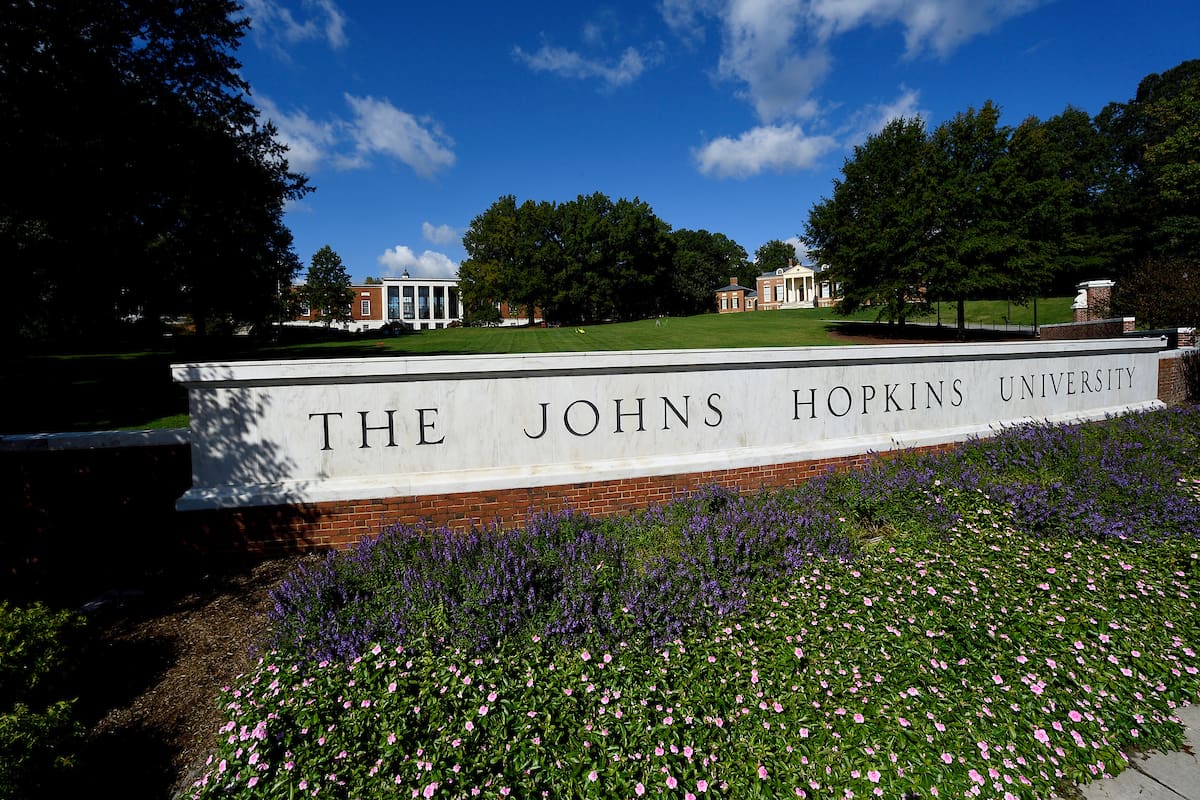
Meet the distinguished group of faculty members who have joined the Krieger School since last year.
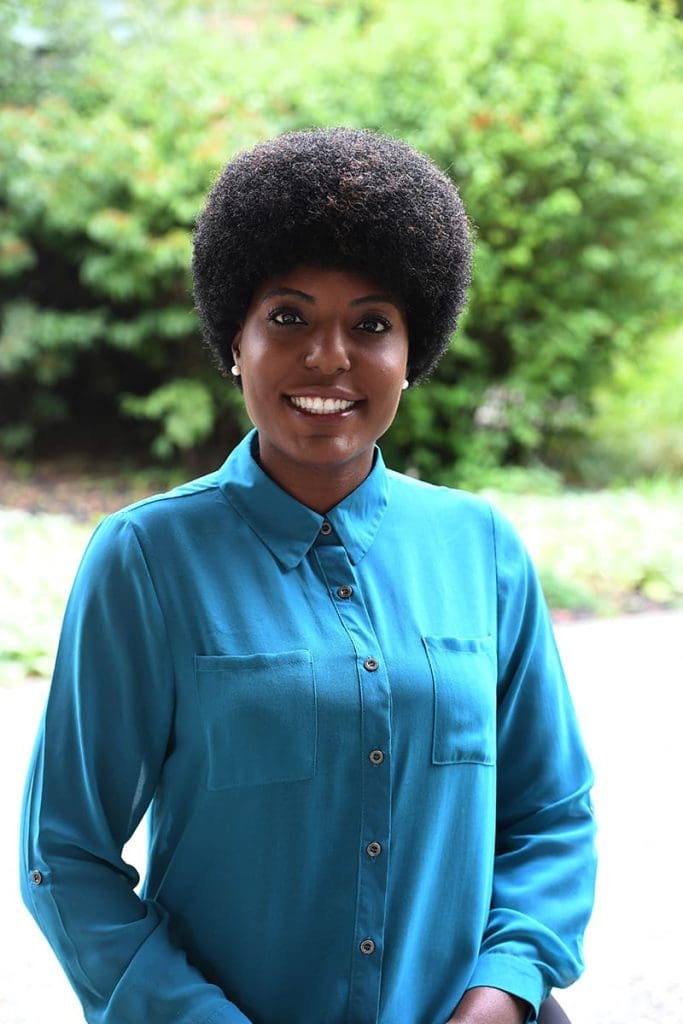
Codi Renee Blackmon
Lecturer, University Writing Program
Codi Renee Blackmon is a scholar, teacher, and activist who works in the related fields of technical, professional, and scientific communication, rhetoric, and writing studies. Before joining Johns Hopkins, she taught academic and technical writing at the University of Tampa and at East Carolina University, where she received the Bertie Fearing Award for Excellence in Teaching.
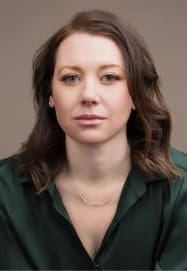
Ruth Braunstein
Research Professor, SNF Agora Institute and Department of Sociology
Ruth Braunstein studies religion, politics, and money. She is a sociologist at Johns Hopkins University’s SNF Agora Institute and was previously at the University of Connecticut. She also leads the Meanings of Democracy Lab, which explores the moral and cultural foundations of American democracy.
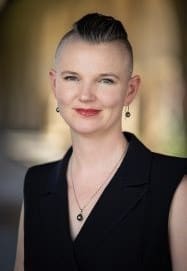
Michaela Bronstein
Ralph S. And Becky G. O’Connor Associate Professor, Department of English
Michaela Bronstein’s scholarship explores the history of the novel, with a special focus on modernist literature. Her current work examines how the form of the novel has been shaped by the challenges of depicting radical political action.
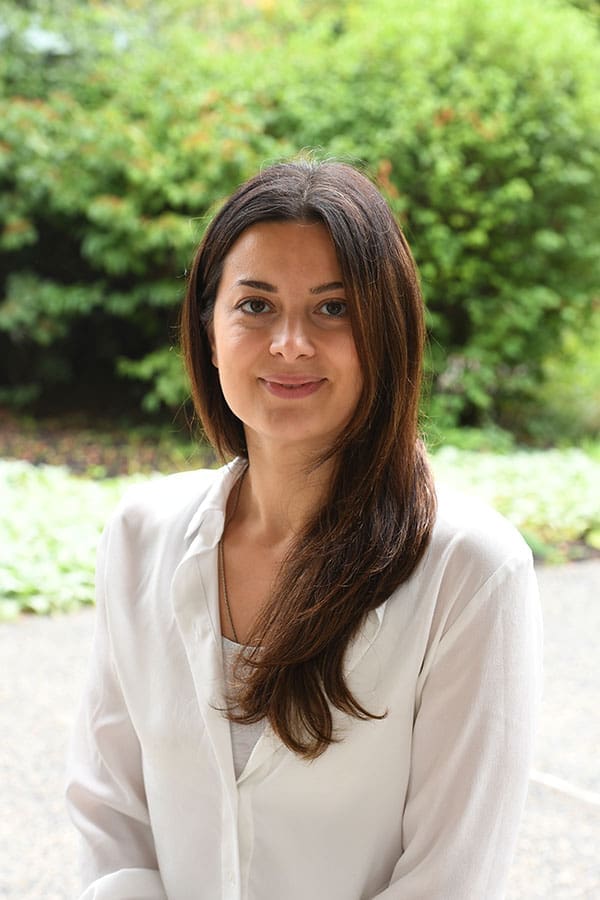
Chiara De Luca
Lecturer, Department of Biology
Chiara De Luca joins the Department of Biology after a teaching position at Loyola University and post-doctoral research in which she characterized the composition of LINE-1 ribonucleoprotein particles found in mouse spermatocytes using a combination of confocal microscopy, Next Generation Sequencing and proteomic analyses. She will bring these areas of expertise to her work with undergraduates in the Molecular and Cellular Biology major and students outside of the natural sciences.
David DeMille
Bloomberg Distinguished Professor, William H. Miller III Department of Physics and Astronomy and Applied Physics Laboratory
David DeMille is a world-leading Atomic, Molecular, and Optical (AMO) physicist who has developed novel methods of precision measurement to probe for the existence of new fundamental particles and forces. Many of his experiments rely on the amplification of effects, due to new forces, that are present in polar molecules. To enable these measurements—and for other possible applications in quantum science—he has pioneered techniques to manipulate the quantum states of diatomic molecules, including trapping and cooling molecular gases to ultralow temperatures.
Jiuchen Deng
Lecturer, Economics Graduate Programs
Jiuchen Deng’s research interests include labor economics, health economics, the economics of education, and development economics.
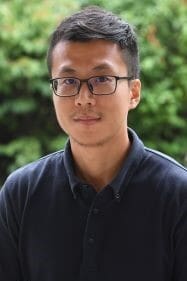
Hao Dong
Assistant Professor, William H. Miller III Department of Philosophy
Hao Dong is a historian of early modern European philosophy and science, working mostly on Leibniz, Hobbes, and Spinoza. He also has secondary interests in ancient Greek and Roman philosophy, as well as Chinese philosophy.
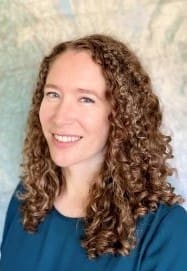
Caitlin Earley
Austen Stokes Assistant Professor of the Art of the Ancient Americas, Department of the History of Art
Caitlin Earley’s research focuses on the visual culture of ancient Mesoamerica, with particular attention to Maya art and its intersections with politics, performance, and identity. Her interdisciplinary approach combines archaeological evidence, epigraphy, and art historical analysis to illuminate the complex narratives embedded in ancient American artworks.
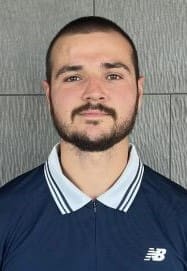
Austen Ercolino
Lecturer, Center for Language Education
Austin Ercolino earned his M.A. in Sign Language Education from Gallaudet University. American Sign Language (ASL) is his native language and he is passionate about teaching ASL, especially to new signers, and supporting their journey into the language and culture.
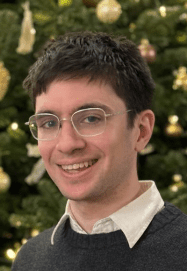
Steven Flynn
Lecturer, Department of Chemistry
Before making chemistry education his primary focus, Steven Flynn trained as a solid-state chemist. He has a research background in exploratory synthesis of heteroanionic materials and crystals with exotic electronic properties which he uses to help his general chemistry students make connections with physics and materials science.
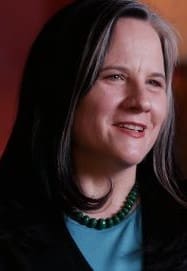
Healon Gaston
Associate Teaching Professor, Center for Economy and Society
Healon Gaston’s research areas include authoritarianism; race, ethnicity, and democracy; civil society and civic engagement; sex, gender, and democracy; dialogue across differences; and intellectual pluralism.
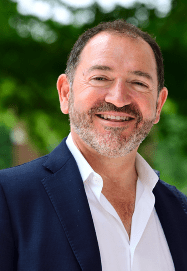
Domenico Giannone
Bloomberg Distinguished Professor, Department of Economics and Department of Applied Mathematics and Statistics
Domenico Giannone is an internationally recognized economist who develops economic models grounded in rigorous statistical and economic theory to meet the challenges of monitoring macroeconomic risks in real time, ensuring that policymakers are equipped with the most accurate and timely information. Giannone’s research in big data econometrics addresses the fundamental challenge of analyzing vast amounts of economic data to extract meaningful signals about economic conditions.
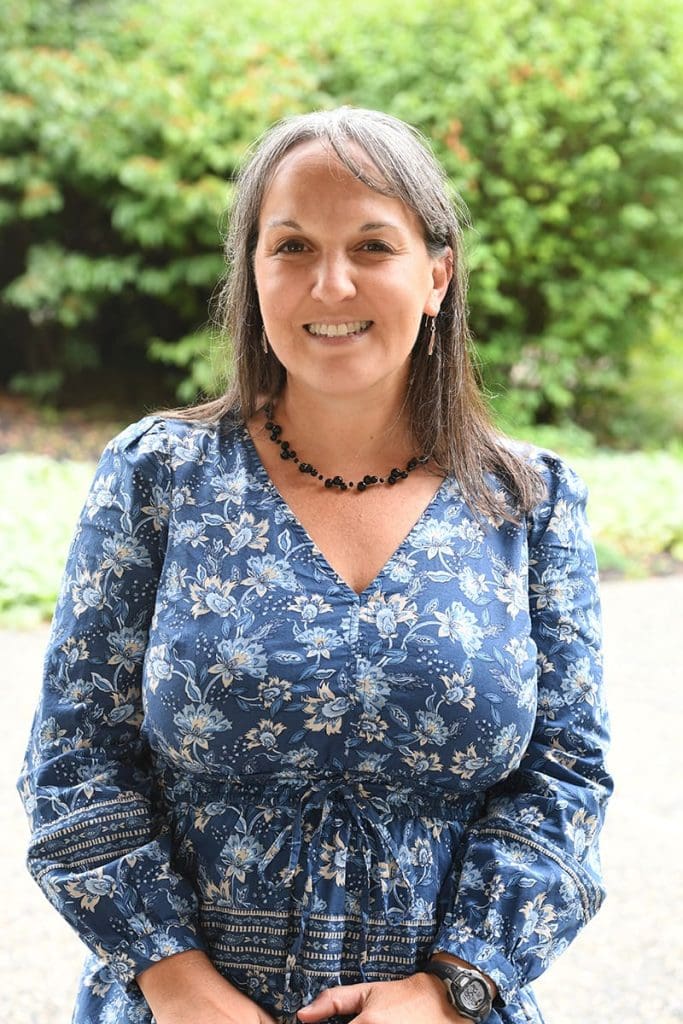
Jennifer Goransson
Lecturer, University Writing Program
Jenny Goransson recently joined the faculty at JHU after completing her PhD in Writing and Rhetoric at George Mason University. Goransson’s dissertation research focuses on mindfulness practices to support teachers as they offer written feedback on student writing. Other research interests include project-based clinical preparation models in teacher education, antiracist writing pedagogies, and writing centers expanding into learning centers or merging with learning centers. For two summers, she served as an adjunct instructor in the MA in Teaching Writing program at JHU, teaching a course on peer response and writing center theory.
Thomas Graham
Assistant Professor, Thomas C. Jenkins Department of Biophysics
Thomas Graham’s research interests include transcriptional regulation, single-molecule biophysics, and live imaging of molecular interactions.
Ian Gray
Assistant Professor, Department of Sociology
Ian Gray’s research brings together the sociology of knowledge, organizational studies, and environmental sociology to examine the social tensions that arise from efforts to adapt to climate change. Leveraging ethnography, interviews, and computational methods, he analyzes the interactions between state institutions, scientific experts, market actors, and local stakeholders, shedding light on the political frictions that determine who gets to participate in, and benefit from, adaptation efforts.
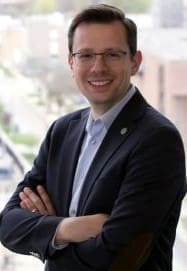
Ive Hermans
Research Professor, Department of Chemical and Biomolecular Engineering and Department of Chemistry
Ive Hermans’ research focuses on sustainable chemical transformations for energy vectors and building block chemicals. He was co-founding editor-in-chief of ChemistryEurope and currently serves as associate editor for ACS Sustainable Chemistry and Engineering. A selection of awards includes the 2017 inaugural Robert Augustine award by the Organic Reaction Catalysis Society and the 2019 Ipatieff Price by the American Chemical Society. Hermans is a fellow of the American Chemical Society, the Royal Society of Chemistry and AAAS.
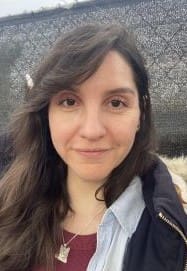
Daniela Hernández Rodríguez
Lecturer, Department of Modern Languages and Literatures
Daniela Hernández Rodríguez holds a PhD from the University of Maryland, College Park (UMD). Born in Valparaiso and raised in Punta Arenas, in the south of Chile, she graduated as a journalist from the Pontificia Universidad Catolica de Valparaiso. She worked in magazines, public relations agencies, social media management and content generation for different institutions, and completed a master’s degree in publishing at the Universidad Diego Portales (Chile). During her time at UMD she taught a diverse range of courses, from foundational elementary Spanish and grammar to advanced classes that explore Latin American culture and literature.
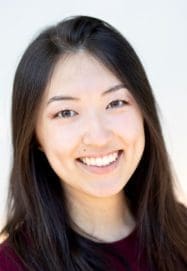
Jennifer Hu
Assistant Professor, Department of Cognitive Science
Jennifer Hu’s research aims to understand the computational principles underlying human language, and how language and cognition might be achieved by artificial models. Her lab approaches these questions by integrating computational modeling, behavioral experiments, and AI.
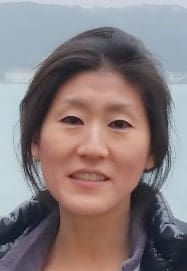
Mee Seong Im
Associate Research Professor, Department of Mathematics
Mee Seong Im’s research interests include geometric and topological aspects of (Grothendieck-)Springer fibers, topological quantum field theories, and representations of Lie superalgebras.
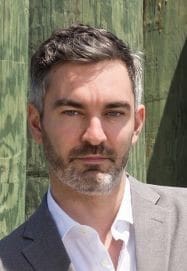
Evan James
Lecturer, Writing Graduate Programs
Evan James is the author of Cheer Up, Mr. Widdicombe: A Novel and I’ve Been Wrong Before: Essays. His work has appeared in The New York Times, Oxford American, Travel + Leisure, The Yale Review, and The Iowa Review, among other publications.
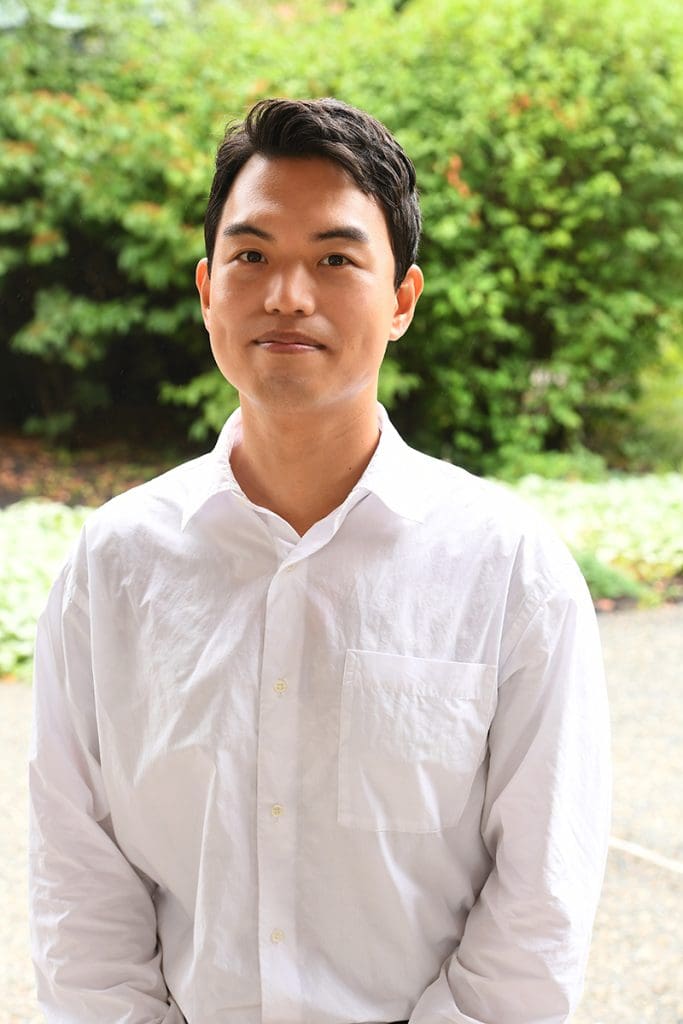
Hyunku Kwon
Assistant Professor, Department of Sociology
Hyunku Kwon studies the political economy of war and crisis, the historical co-evolution of the state and the market, and patterns of political polarization and racial and ethnic conflict. His work combines computational and geostatistical methods with archival research.
Albert Lau
Senior Lecturer, Thomas C. Jenkins Department of Biophysics
Albert Lau’s research interests include molecular mechanics of binding and allostery in macromolecular assemblies such as neurotransmitter receptors, and computational and experimental biophysics and structural biology.
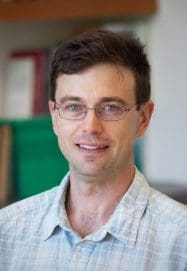
William Ludington
Associate Professor, Department of Biology
William Ludington’s research interests include mechanisms of microbiome-host interactions. The Ludington lab investigates the molecular and genetic basis of complex ecological interactions focusing on the gut microbiome.
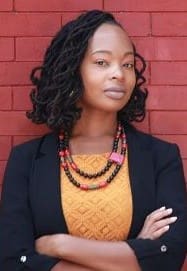
Amaka Okechukwu
Associate Research Professor, Department of Sociology and Center for Africana Studies
Amaka Okechukwu is an interdisciplinary scholar engaged in research on social movements, Black communities, urban sociology, race, and public history.
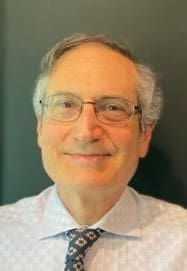
Steven Payson
Senior Lecturer, Economics Graduate Programs
Steven Payson is an economist who has served as a senior economic advisor and supervisory economist at the following departments or agencies: Labor (Bureau of International Affairs and Mine Safety and Health Administration), Homeland Security (Immigration and Customs Enforcement under the Biden Administration), Interior (Bureaus of Indian Affairs and Safety and Environmental Enforcement), Commerce (Bureau of Economic Analysis), Agriculture, and the National Science Foundation. Prior to joining the federal government, he worked as an economic consultant for over seven years at the Inter-American Development Bank and ICF, Inc.
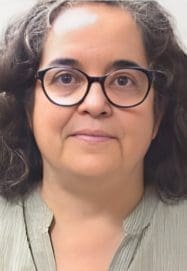
Ana Pombo
Research Professor, Department of Biology and Department of Molecular Biology and Genetics
Ana Pombo’s research interests include genome biology, gene regulation, neuroepigenetics, addiction, neurodevelopmental disorders, genome architecture, single cell genomics, early mammalian development, and spatial genomics.
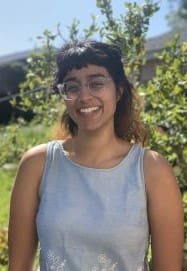
Kavita Rangan
Assistant Professor, Department of Biology
Kavita Rangan received her PhD from Howard Hang’s lab at The Rockefeller University studying how beneficial bacteria and metabolites influence intestinal pathogenesis. She completed her postdoctoral work with Sam Reck-Peterson at UC San Diego studying how RNA editing in squid modifies the function of microtubule motor proteins in response to environmental temperature.
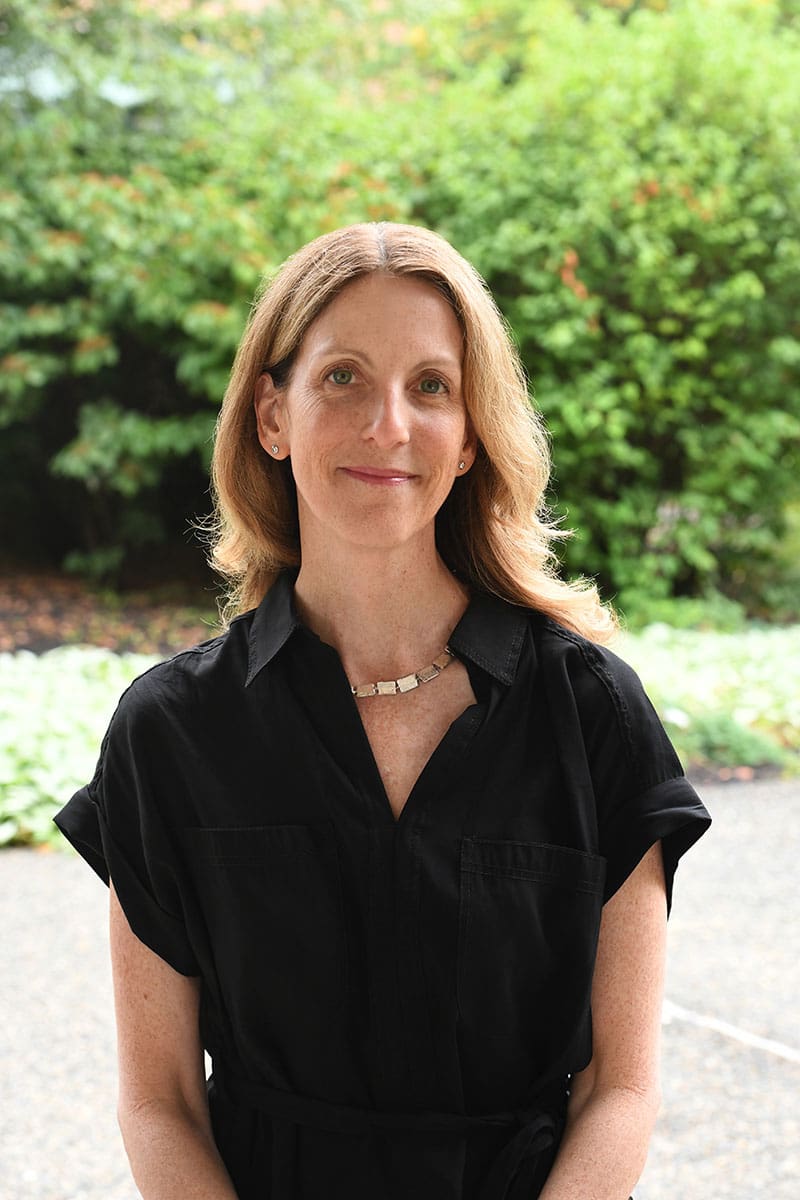
Meredith Ray
Professor, Department of Modern Languages and Literature
Meredith Ray’s research interests include Early Modern and Baroque Italian literature, women and gender studies, history of science, early modern religious culture, and epistolary writing.
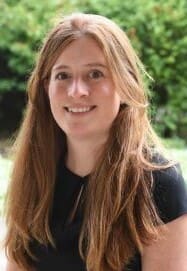
Kimberly Reynolds
Associate Research Professor, Thomas C. Jenkins Department of Biophysics
In her research, Kim Reynolds quantifies how cellular context shapes the structure, function, sequence and abundance of individual proteins, then uses this information to design new proteins, custom regulation, and robust synthetic cellular systems. There are three broad currents in her work: modeling gene expression, environment, and growth; understanding constraints on enzyme activity; evolution and engineering of allostery.
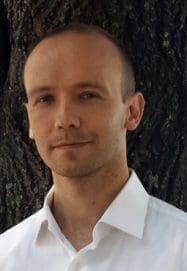
Alexander Sushkov
William H. Miller III Associate Professor, William H. Miller III Department of Physics and Astronomy
Alexander Sushkov is an interdisciplinary researcher interested in developing new quantum tools for precision measurements and employing them to address key problems in fundamental and applied science.
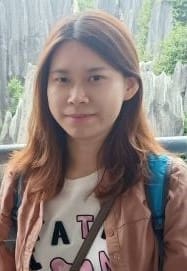
Zequn Tang
Assistant Research Professor, Department of Sociology
Zequn Tang’s research interests include social inequality and mobility, family and intergenerational relationships, migration and immigration, and health. Before joining Johns Hopkins in 2025, she was an assistant professor in the Department of Sociology at Shanghai University and a lecturer at the University of California, Davis.
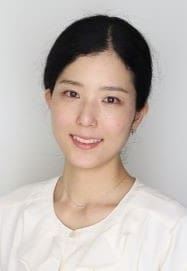
Emi Tasho
Lecturer, Center for Language Education
Emi Tasho’s main area of study is second language acquisition and second language pedagogy with a focus on multiliteracies.
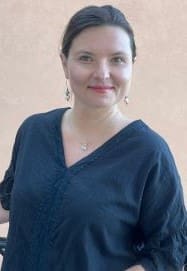
Ksenia Tatarchenko
Senior Lecturer, Medicine, Science, and the Humanities Major
Ksenia Tatarchenko’s research interests include Russian and Soviet empires, history of modern science and technology, history of computing, cybernetics and AI, transnational and global history, Siberia, polar regions, Central Asia, Cold War, and urban studies.

Madina Thiam
Assistant Professor, Department of History and Center for Africana Studies
Madina Thiam studies Mali and West Africa from the 18th to the 20th century, with interests in the social histories of Muslim societies in the Sahel and the African Diaspora, French imperialism, and decolonization.
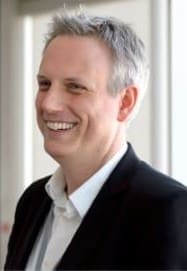
Benjamin D. Wandelt
Research Professor, William H. Miller III Department of Physics and Astronomy and Department of Applied Mathematics and Statistics
Benjamin Wandelt is a cosmologist and data scientist who studies the fundamental physics of the universe using astronomical observations, AI/ML and statistical inference. He has more than 25 years of research experience, including 13 years as Professor and International Chair of Theoretical Cosmology at Sorbonne Université. He continues to co-direct the Initiative in Cosmology and Astroparticle Physics at the Institute for Astrophysics in Paris.
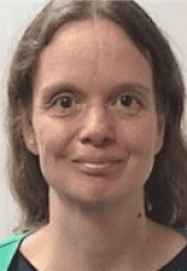
Sonja Wandelt
Senior Lecturer, Center for Language Education
Sonja Wandelt’s research interests explore comparative literature.
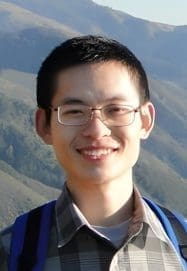
Zhiren Wang
Professor, Department of Mathematics
Zhiren Wang’s research interests include homogeneous dynamical systems, classification of group actions, number theory, and machine learning.
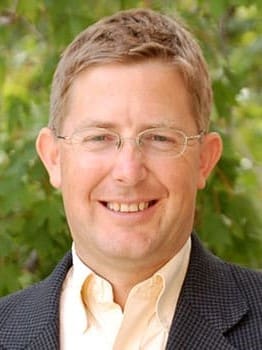
Tim Warren
Research Professor, Department of Chemistry
Tim Warren’s expertise lies in synthetic organic chemistry. The Warren Lab deciphers the discrete chemical steps that occur in chemical transformations promoted by metal centers for the discovery of new approaches and insights for organic synthesis, electrochemical energy conversion, and bioinorganic chemistry.
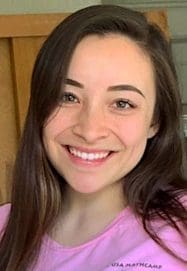
Kayla Wright
Senior Lecturer, Department of Mathematics
Kayla Wright’s research interests include Algebraic combinatorics, cluster algebras and representation theory.
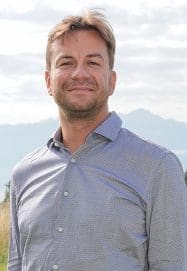
Matthieu Wyart
Professor, William H. Miller III Department of Physics and Astronomy
Matthieu Wyart’s research interests include the architecture of allosteric materials, granular and suspension flows, the glass and the yielding transitions. More recently, Wyart’s focus has been deep learning, in particular data structure and generative models.