
Precarious Futures: Cultivating Resilience in the DMV
Situating my study in the DMV (Washington DC, Maryland, and Virginia), I argue that historic and ongoing power structures transform farmers’ small farms into sites of knowledge production and identity formation. My research explores how land theft, disinvestment, and disempowerment shape Black farmers and their relationship to their land. Using ethnography, I ask how culturally-situated experimentation produces knowledge, identity, and social ties through various modes of testing, including trial and error by “giving it a try.” I am also interested in understanding how small-scale farmers are pivoting to or prioritizing education and training programs because crop production is often financially untenable.
Globally we produce too much food for anyone to suffer from hunger! I grew up visiting the South Indian farms that my parents grew up on and understanding what a different food system might look like; where produce and meat are locally sourced and seasonal eating is the norm. A couple years ago, I decided to pursue my interest in food and moved to Goa, India, where I worked for eight months at a restaurant dedicated to building a more sustainable food system. This experience inspired me to return to school and pursue research on food sovereignty movements and how farmers are adapting to climate change. In the first year of my program at JHU, I volunteered with different local organizations in Baltimore, including the 6th Branch and Blue Light Junction. These organizations were in neighborhoods close by but outside the Hopkins bubble, such as Johnston Square. There, I quickly understood how motivated people were to uplift their respective communities through farming and improving food access.
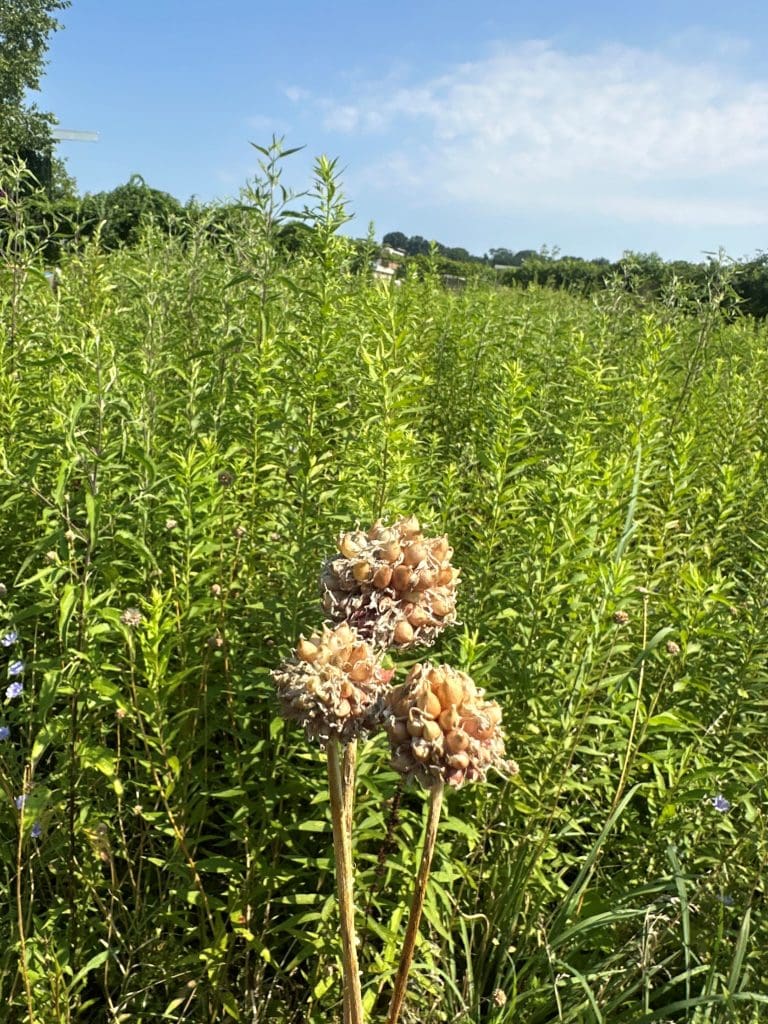
Farming requires a consistency that feels both scarce and extraordinary in society today given the attention economy and the hold algorithms possess. Each day these farmers showed up regardless of how difficult it was to do so. I truly benefited from witnessing these small-scale farmers’ commitment to their way of life and how they intentionally cultivated a powerful community. I am inspired by the Black farmers I observed and interviewed, who all emphasized the importance of enacting and enabling change through their proactive presence as Black farmers. They expressed joy for the privilege of working in dirt, and frustration at seeing few who looked like them tending and stewarding land. They hope developing training initiatives will encourage an environment in which more Black community members are emboldened to pursue farming and engage in such justice-oriented efforts.
In addition to recognizing broader conceptions of experimentation and pluralizing scientific practices, this project examines what implementing models of sustainable or regenerative agriculture ideals looks like in practice. In doing so, I seek to understand major barriers including access to land and vulnerability to unpredictable climate, particularly within an unfavorable political atmosphere. Through this research, I explore the feasibility of alternative food system models, which offer a bit of hope amidst the ongoing and escalating climate crisis.